
Top-Rated Products For Comprehensive Wood Pest Inspections
Choose from a curated list of high-performance tools designed to enhance inspection accuracy and efficiency.
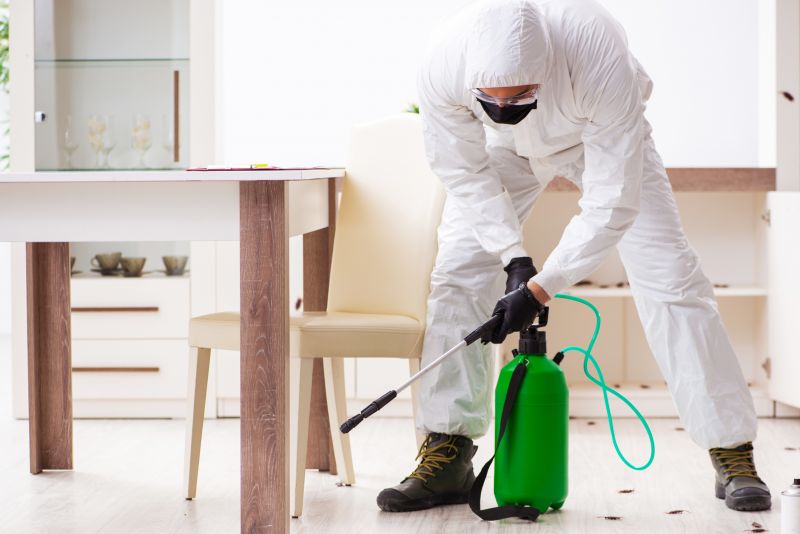 Conducting a thorough wood pest inspection is essential for maintaining the structural integrity of buildings and preventing costly damage. Professionals rely on a variety of specialized tools and products to detect signs of infestation by termites, wood-boring beetles, and other wood-damaging pests. These products help inspectors identify hidden issues that may not be visible to the naked eye, ensuring comprehensive assessments. The right selection of equipment can streamline inspections, improve accuracy, and provide homeowners or property managers with detailed insights into potential vulnerabilities.
Top Overall Option
Multi-Function Inspection Kit
A comprehensive inspection kit that combines moisture meters, infrared cameras, and acoustic sensors offers a versatile solution for detecting wood pests. This all-in-one set enables users to identify moisture issues, temperature anomalies, and sound vibrations that may indicate infestations. Designed for both professionals and dedicated homeowners, it provides detailed insights and enhances the accuracy of assessments. The durability and user-friendly interface make it a reliable choice for various inspection scenarios.
Types of Products For Wood Pest Inspections
Moisture Meters
Devices that measure moisture levels within wood to identify areas prone to pest activity and rot.
Infrared Cameras
Thermal imaging devices that detect temperature differences behind walls and within wood structures.
Acoustic Emission Sensors
Tools that listen for sound vibrations caused by wood-boring pests within structures.
Visual Inspection Mirrors
Handheld mirrors that help inspect hard-to-see areas for signs of pest activity or damage.
Borescopes
Flexible cameras that allow inspection inside walls, beams, and other inaccessible spaces.
Pest Traps
Sticky or baited traps used to catch and monitor pest activity over time.
Chemical Detectors
Devices that identify chemical residues or volatile compounds associated with pest activity.
Vibration Sensors
Tools that detect vibrations caused by pest movement within wood structures.
Moisture and Pest Combination Kits
All-in-one kits that include moisture meters and pest detection tools for comprehensive inspections.
Digital Inspection Tools
Electronic devices that combine multiple sensing capabilities with digital reporting features.
Popular Choices
Widely used for detecting moisture hotspots that can attract pests and cause rot.
Commonly employed to visualize temperature variations behind walls and within wood.
Popular for listening for pest activity inside structures, especially for termites.
Frequently used to inspect concealed areas for signs of pest damage or activity.
Commonly placed to monitor and confirm pest presence over time.
Popular for detecting movement caused by pests within wooden structures.
All-in-one kits that include multiple tools for comprehensive assessments.
Used to identify pest-related chemical traces in the environment.
Devices with digital displays and data logging for detailed inspections.
Devices that measure both moisture and temperature for thorough analysis.
Many products used for wood pest inspections are designed to detect activity through sound, vibration, or visual indicators. For example, moisture meters can identify areas with elevated moisture levels that often attract pests. Infrared cameras can reveal temperature anomalies indicating active infestations behind walls or within wood structures. Combining different tools allows for a more complete evaluation, increasing the likelihood of detecting pests early before significant damage occurs. It is important to select tools that are reliable, easy to operate, and suitable for the specific inspection environment.
When choosing products for wood pest inspections, consider factors such as the scope of inspection, ease of use, durability, and the level of detail provided. Some tools are more appropriate for professional inspectors, while others are suitable for homeowners who wish to perform basic assessments. Proper training or familiarity with the equipment can enhance the effectiveness of inspections. Additionally, compatibility with other inspection tools and the ability to generate comprehensive reports can be valuable features. Investing in high-quality, versatile products can support thorough inspections and peace of mind for property owners.
Key Buying Considerations
- Accuracy and sensitivity of the detection method.
- Ease of use and user interface, especially for non-professionals.
- Durability and build quality for repeated use in various environments.
- Compatibility with other inspection tools and accessories.
- Portability and size for easy transport to different sites.
- Battery life and power source options for extended inspections.
- Ability to generate detailed reports or data logs.
- Range of detection capabilities, such as moisture, temperature, and sound.
- Availability of calibration features to maintain accuracy.
- Cost and value for the features offered.
- Customer reviews and reliability ratings.
- Warranty and customer support options.
- Training or instructional resources available for complex tools.
- Compatibility with existing inspection protocols or standards.
- Environmental considerations, such as safety and chemical use.