Wood Pest Inspections Timing Guide
Wood pest inspections are most effective when conducted during specific times of the year to detect early signs of infestation. The optimal periods are typically in the spring and fall, when pest activity is at its peak. Conducting inspections during these seasons allows for early intervention, reducing potential damage and repair costs.
Spring is ideal for wood pest inspections as insects become active after winter dormancy, making signs of infestation easier to identify.
Fall inspections help detect pests before they become dormant for winter, ensuring early treatment and prevention.
While seasonal inspections are recommended, regular year-round monitoring can help identify issues promptly regardless of the season.
Inspections after construction or renovations can identify pest entry points and prevent future infestations.
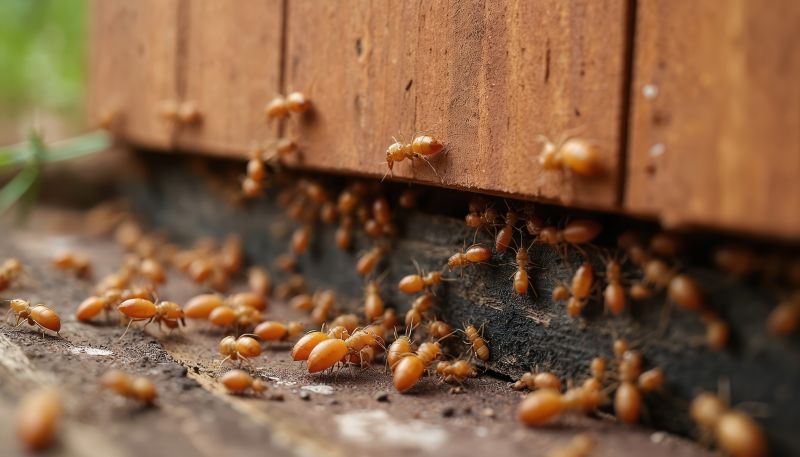
Insects like termites and carpenter ants become more active during spring.
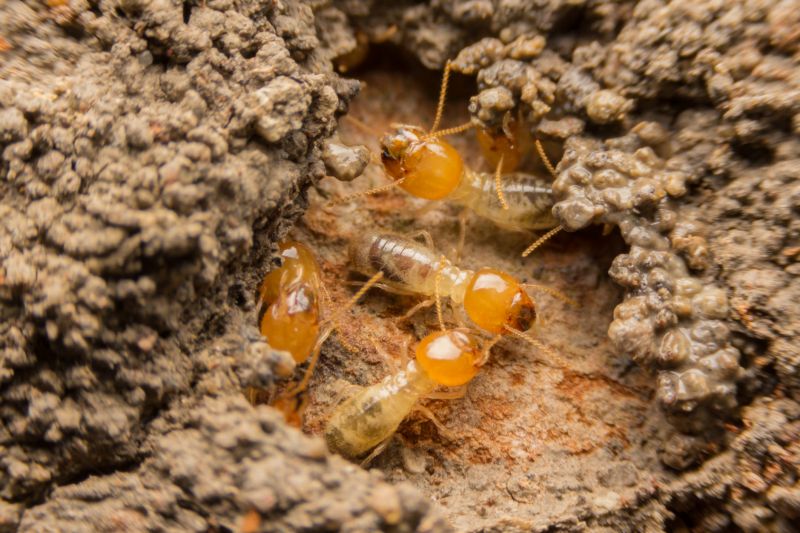
Detect signs of pest activity before winter dormancy begins.
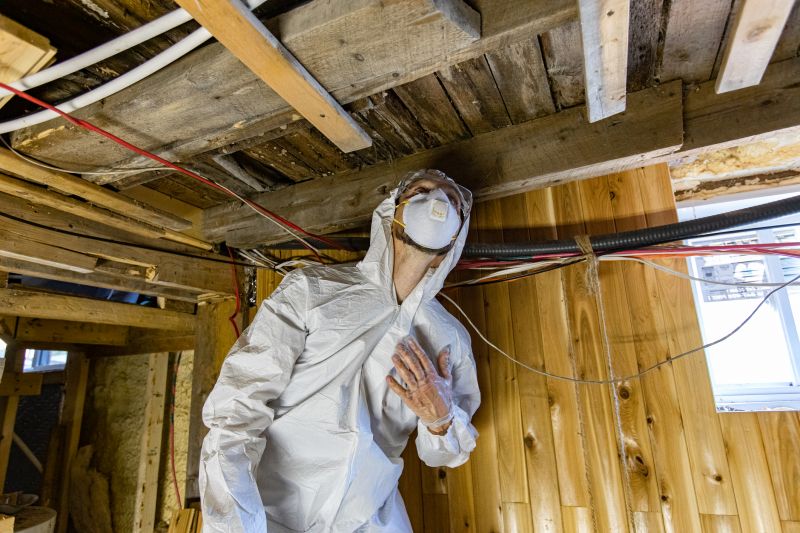
Professional inspection of wooden structures for pest signs.
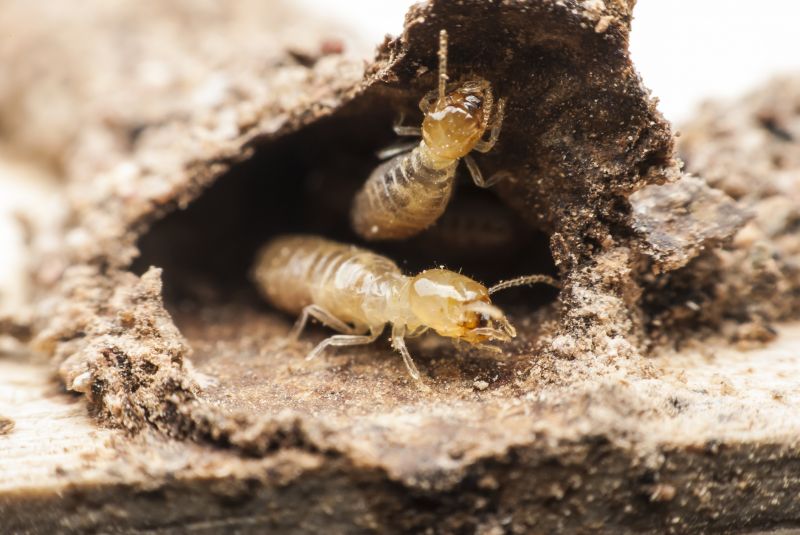
Ways to make Wood Pest Inspections work in tight or awkward layouts.
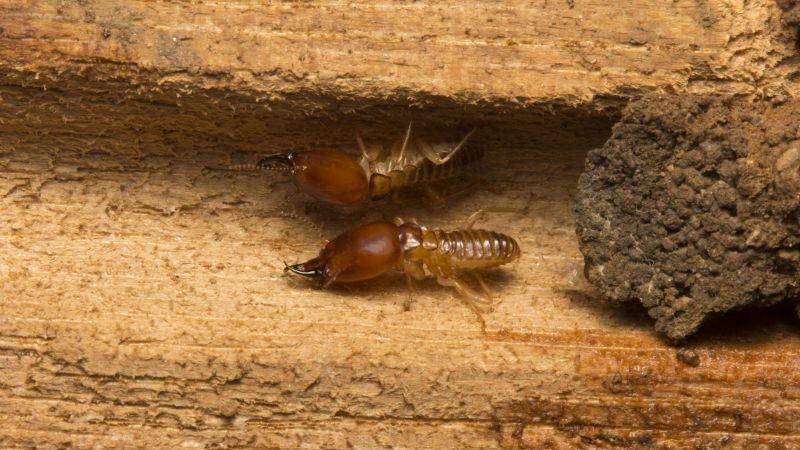
Popular materials for Wood Pest Inspections and why they hold up over time.

Simple add-ons that improve Wood Pest Inspections without blowing the budget.
| Season | Ideal for |
|---|---|
| Spring | Detecting emerging pest activity and early signs of infestation. |
| Summer | Monitoring ongoing pest activity, especially in warm climates. |
| Fall | Identifying pests before winter dormancy. |
| Winter | Limited activity, but useful for preventive inspections. |
| Post-Construction | Checking newly built or renovated structures. |
| Pre-Purchase | Assessing property before buying. |
Wood pest inspections are a critical component in maintaining the integrity of wooden structures. They involve thorough examinations for signs of termites, carpenter ants, and other wood-damaging pests. Regular inspections can help identify infestations early, preventing extensive damage and costly repairs. According to industry data, early detection significantly reduces treatment costs and structural damage. Inspections are especially important in areas with high pest activity or older buildings where wood decay may be more prevalent.
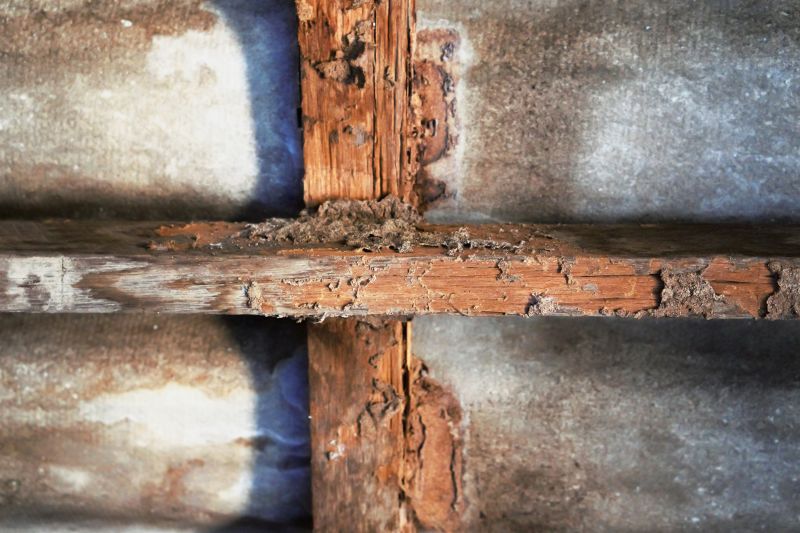
Detailed examination of structural wood components.
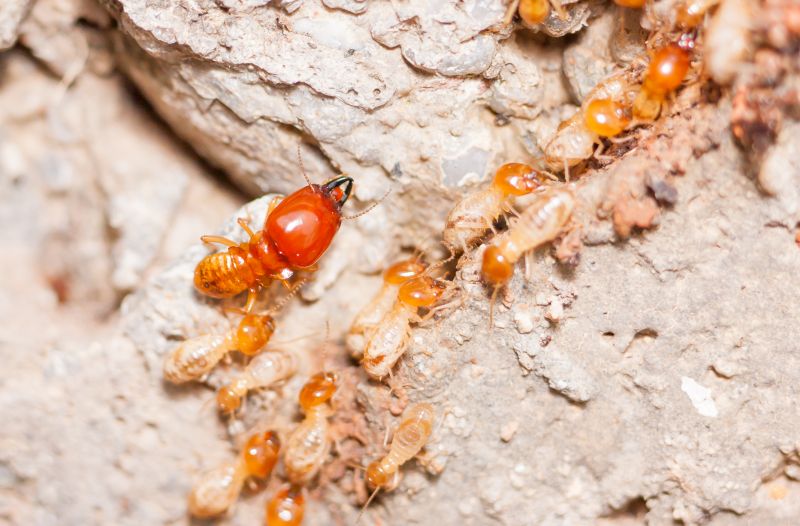
Identifying mud tubes and damaged wood.
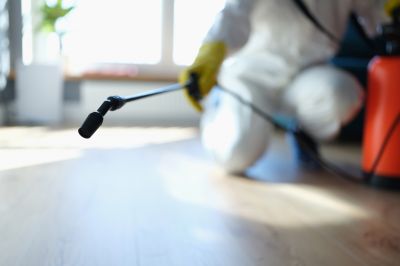
Using specialized tools for accurate detection.
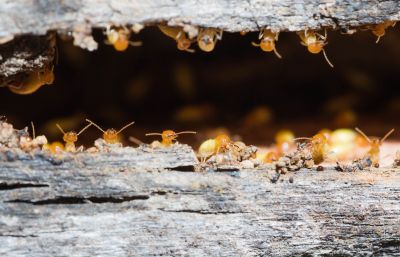
Visual cues indicating pest presence.
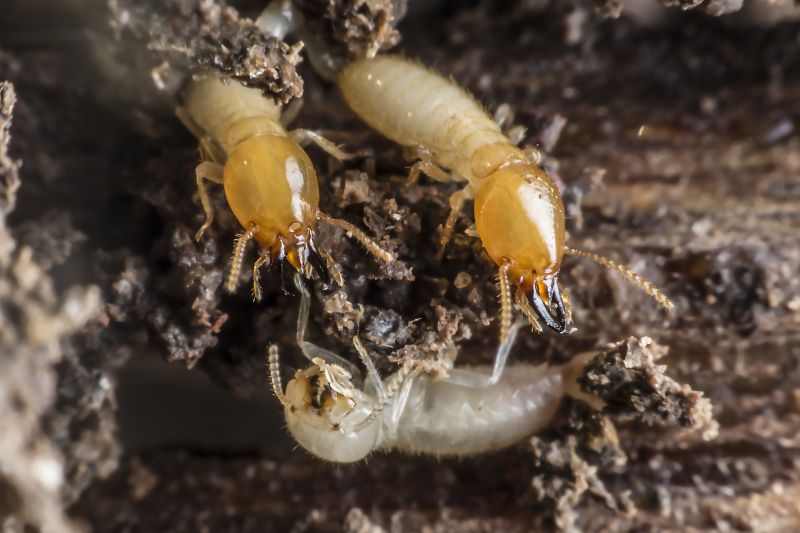
High-end options that actually feel worth it for Wood Pest Inspections.

Finishes and colors that play nicely with Wood Pest Inspections.
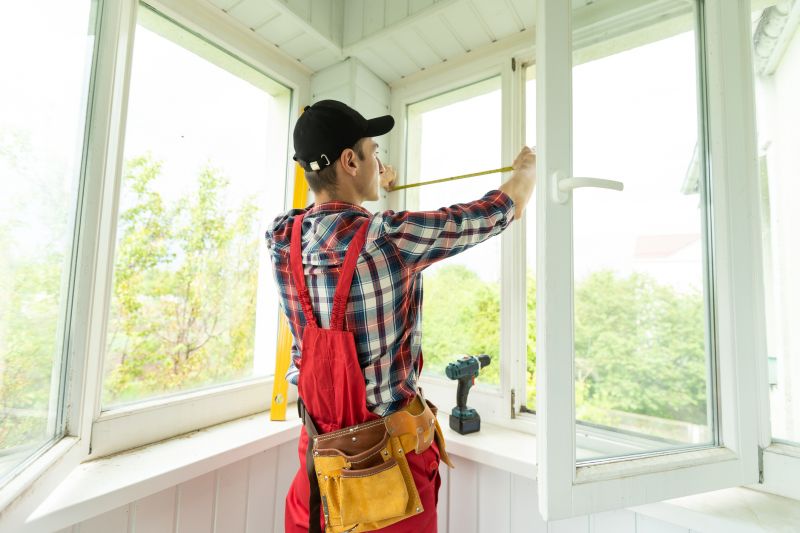
Little measurements that prevent headaches on Wood Pest Inspections day.
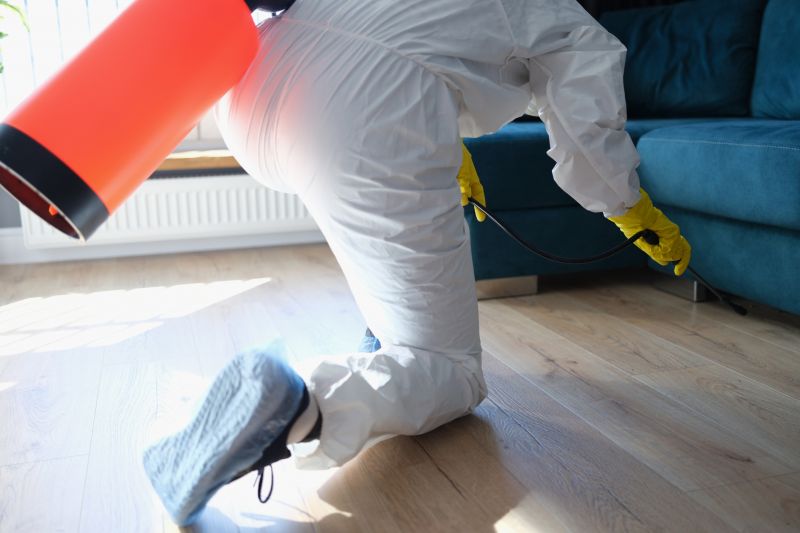
A 60-second routine that keeps Wood Pest Inspections looking new.
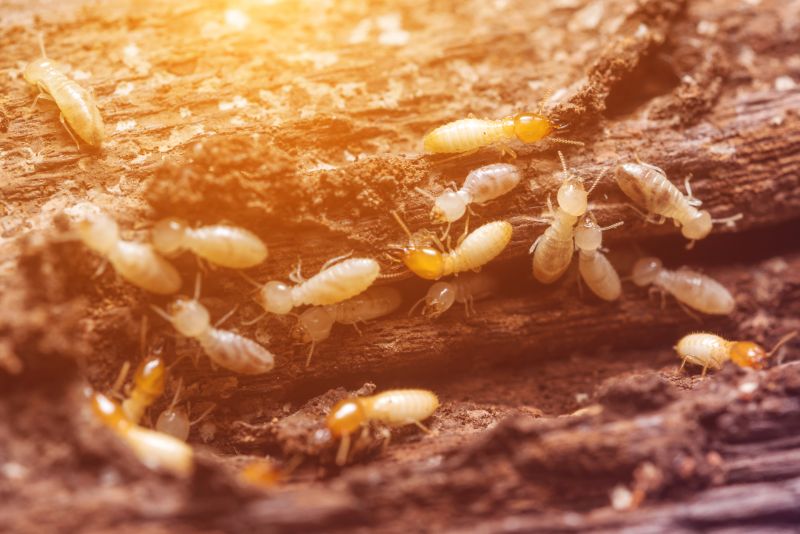
A frequent mistake in Wood Pest Inspections and how to dodge it.
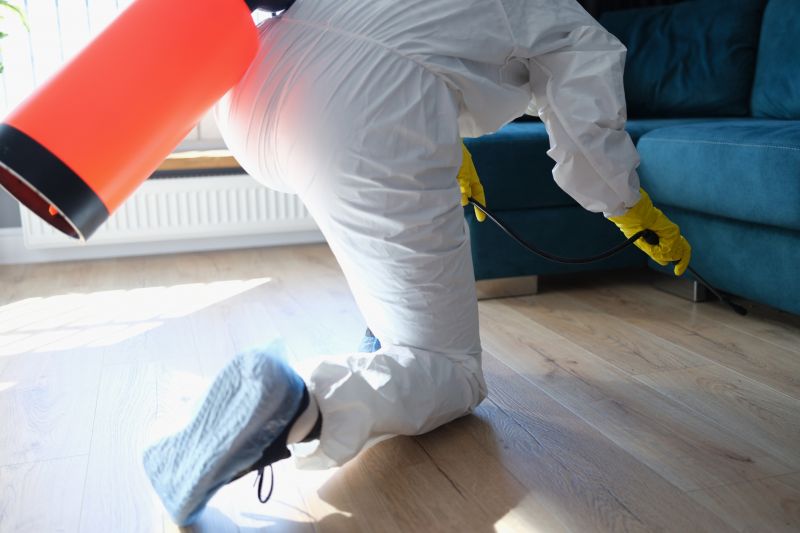
Small tweaks to make Wood Pest Inspections safer and easier to use.
Regular wood pest inspections are essential for preserving property value and structural safety. They help identify early signs of pest activity, such as mud tubes, damaged wood, or frass. Timely detection allows for targeted treatments, minimizing disruption and damage. Property owners and buyers are encouraged to schedule inspections during peak pest activity seasons for optimal results.
Interested in scheduling a wood pest inspection? Filling out the contact form provides an opportunity to arrange an inspection at the most suitable time for the property and its surroundings.