Early Warning Signs of a Termite Infestation
Identifying early warning signs of a termite infestation helps homeowners take prompt action, and local contractors can provide effective treatment to protect your property.
Property owners in the area who notice subtle changes in their home structure or unexplained damage often find it helpful to learn about the early warning signs of a termite infestation. Recognizing these signs early can prevent extensive damage and save money on repairs. Common indicators include tiny holes in wood surfaces, discarded wings near windows or doors, and the presence of mud tubes along foundation walls. Staying alert to these clues allows homeowners to take timely action and connect with experienced local contractors who specialize in termite treatment and prevention.
Understanding what to look for can make a significant difference in safeguarding a property. Local service providers are well-equipped to assess potential issues and provide effective treatment options if a termite problem is detected. Whether it’s a small sign or a more obvious indication, early detection is key to managing an infestation before it spreads. Keep reading to learn more about the typical signs of termites and how local experts can assist in protecting the home’s integrity.
- Termite Inspection - when homeowners notice wood damage or discarded wings, local contractors can perform thorough inspections to identify early signs of infestation.
- Early Warning Signs Assessment - if mud tubes or hollow-sounding wood are detected, local service providers can evaluate the extent of the problem.
- Swarm Detection - seeing winged termites indoors or near the foundation indicates a nearby colony, prompting local pros to assess the situation.
- Damage Evaluation - when wood appears blistered or has small exit holes, local contractors can determine if termites are present and advise on treatment options.
- Preventative Monitoring - in cases of previous infestations, local pros can set up monitoring to catch early signs before significant damage occurs.


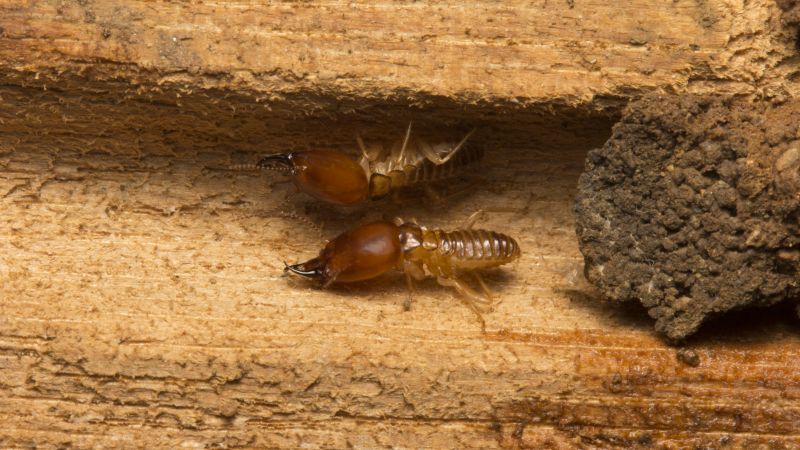
Understanding the early warning signs of a termite infestation is essential for homeowners who want to protect their properties from significant damage. When people search for this topic, they often seek practical guidance on how to identify potential problems before they become severe. Recognizing these signs can help homeowners determine whether an infestation might be present, prompting timely inspections and treatment by local contractors. Since termites are often hidden within walls or beneath the foundation, spotting the early indicators requires awareness of specific visual clues and subtle changes around the property.
Early warning signs of a termite infestation are usually related to damage or activity that indicates termites are present. Common signs include the appearance of discarded wings near windows or doors, which suggests swarm activity, or small, mud-like tubes on exterior walls, foundations, or in crawl spaces. Other indicators can include hollow-sounding wood when tapped, or visible damage such as crumbling wood or paint that appears to be bubbling or cracking. Homeowners may also notice tiny, pellet-like droppings or find damaged paper products and cardboard that seem to be eaten from the inside out. Recognizing these problems early can help property owners plan inspections and treatments with local termite treatment specialists before extensive damage occurs.
The types of properties most often affected by early signs of a termite infestation tend to include both residential and commercial buildings, especially those with wooden structures or extensive wood framing. Homes with basements, crawl spaces, or wood siding are particularly vulnerable, as these areas provide accessible pathways for termites. Older properties or those with previous pest issues may also be at increased risk, since the wood and structural elements may have weakened over time. Additionally, properties located in regions where termites are common face a higher likelihood of encountering early warning signs, making regular inspections an important part of ongoing maintenance and protection strategies.
For homeowners noticing potential early signs of a termite infestation, connecting with local service providers can be a crucial step. These professionals can conduct thorough inspections to confirm whether termites are present and recommend appropriate treatment options. Since early detection is key to minimizing damage and repair costs, working with experienced local contractors ensures that signs are accurately identified and addressed promptly. By understanding what to look for and knowing when to seek expert help, property owners can better protect their investments and maintain the integrity of their structures.
Home Inspection Projects - These projects involve thorough assessments of residential properties to identify early signs of pest activity, including termite indicators, which can assist in timely treatment planning.
Structural Damage Assessment - Contractors specializing in evaluating damage to wood and foundation structures can help detect subtle signs of termite activity before extensive harm occurs.
Wood Damage Repair - Repair projects focusing on damaged wood components often require identifying underlying pest issues, making them related to early warning detection of infestations.
Moisture Control Services - Managing moisture levels in buildings can prevent termite attraction, and professionals in this area can help address conditions conducive to infestations.
Pest Detection Consulting - These projects involve specialized inspections to locate early pest activity, including termites, which complements early warning signs identification efforts.
Property Preservation Projects - Maintaining and restoring properties to prevent pest entry and damage often includes identifying initial signs of termite presence to avoid future infestations.
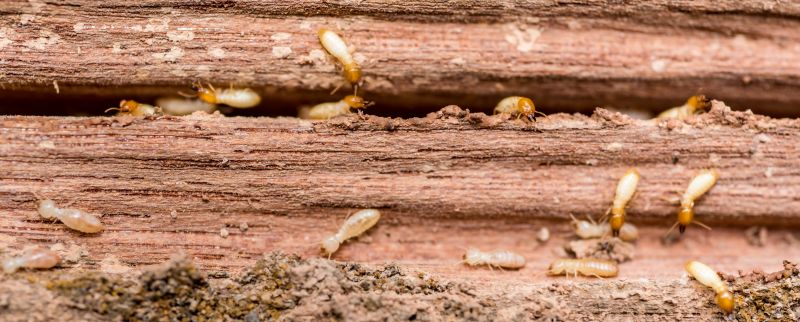
When evaluating local contractors for addressing early warning signs of a termite infestation, it’s important to consider their experience with similar projects. Homeowners should look for service providers who have a proven track record in identifying and treating termite issues effectively. An experienced contractor will be familiar with common signs such as mud tubes, damaged wood, or discarded wings, and will understand how these indicators relate to the broader health of a property. This background helps ensure that the inspection and subsequent treatment are thorough and tailored to the specific needs of the home.
Clear written expectations are essential when selecting a service provider for termite-related concerns. Homeowners should seek out contractors who provide detailed descriptions of their inspection process, treatment methods, and any follow-up recommendations. Transparent communication about what to expect helps prevent misunderstandings and ensures that both parties are aligned on the scope of work. Well-defined expectations also serve as a basis for evaluating the professionalism and reliability of the contractor, making it easier to compare options objectively.
Reputable references and effective communication are key factors in choosing the right local contractor. Homeowners are encouraged to ask for references from previous clients who have had similar termite issues addressed. These references can offer insights into the contractor’s reliability, quality of work, and responsiveness. Additionally, a contractor’s ability to communicate clearly and promptly about findings, options, and next steps can make the process smoother and more confident. Good communication fosters trust and helps ensure that homeowners feel informed and involved throughout the inspection and treatment process.
Property owners often search for early warning signs of a termite infestation when they are planning practical projects around their homes and businesses. Local pros provide Termite Infestation Treatment services for everyday jobs and straightforward project options.

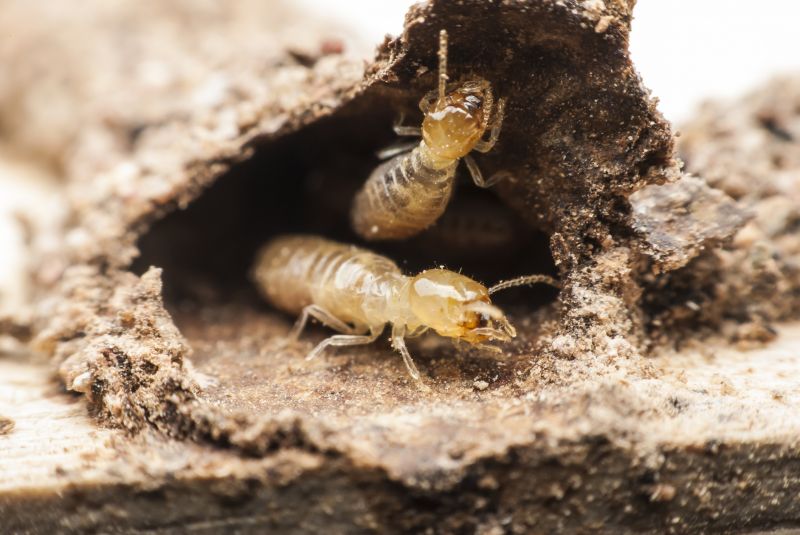
Identifying early warning signs of a termite infestation can often be part of routine home inspections or everyday maintenance checks. Property owners in the area might notice small mud tubes along foundation walls, or see discarded wings near windows and doors after swarming season. Additionally, hollow-sounding wood or tiny holes in wooden structures can indicate termite activity. Recognizing these signs early can help prevent extensive damage, prompting property owners to seek the expertise of local contractors who specialize in termite detection and treatment.
Many homeowners find themselves searching for information about early indicators of termite problems after noticing subtle changes in their property. Warped or damaged wood, especially in areas like the basement or crawl spaces, often raises concern. In some cases, persistent mud trails or wood that crumbles easily when tapped can be clues that termites are present. When these signs appear, it’s advisable to connect with experienced service providers who can assess the situation and recommend appropriate treatment options to protect the property from further harm.
What are common early signs of a termite infestation? Signs include mud tubes on walls or foundations, discarded wings near windows, and small holes in wood surfaces, which can indicate termites are active nearby. Local contractors can inspect your property for these indicators and recommend treatment if needed.
How can I tell if wood damage is caused by termites? Look for hollowed or weakened wood that sounds hollow when tapped, along with visible tunnels or frass (termite droppings). Service providers can assess the damage and determine if termites are responsible.
Are there any visual clues inside the home that suggest a termite problem? Yes, signs such as bubbling or cracked paint, or tiny pinholes in drywall, can be indicators of subterranean or drywood termites. Local experts can identify these signs during a thorough inspection.
What should I do if I notice winged termites in or around my home? Seeing winged termites, often called swarmers, suggests a nearby colony. It’s advisable to contact local contractors promptly to evaluate the situation and discuss treatment options.
Can structural issues hint at a termite infestation? Yes, unexplained sagging floors, buckling walls, or hollow-sounding wood can be warning signs. Experienced service providers can perform inspections to determine if termites are the cause and recommend treatment solutions.
Mud tubes on walls or foundations - noticing small tunnels can help property owners identify early signs of termite activity and seek treatment from local contractors.
Discarded wings near windows or doors - finding shed termite wings may indicate an ongoing infestation, prompting a consultation with nearby service providers.
Damaged or hollow-sounding wood - detecting weakened wood structures can lead property owners to schedule inspections and treatment with experienced local contractors.
Swarmers inside the home - observing flying insects indoors can be a sign of an active colony, encouraging property owners to connect with local pros for assessment.
If you are thinking about early warning signs of a termite infestation for a property, this guide is meant to help you understand this topic, the typical project types, and how different options might fit your plans.
When you are ready, you can use the quote form on this page to share a few details about your project. From there, local pros can review the basics and follow up with options that match what you have in mind.