How Termites Cause Structural Damage to Homes
To prevent serious damage caused by termites, local contractors can provide effective control solutions to protect your home’s structure.
Understanding how termites cause structural damage to homes is essential for property owners who want to protect their investments. Termites are often hidden invaders, quietly consuming wood, drywall, and other cellulose-based materials within walls and foundations. Over time, this unseen activity can weaken critical structural components, leading to costly repairs and compromised safety. Exploring this topic can help homeowners recognize early signs of infestation and understand the importance of professional termite control services available in the area, which are equipped to identify and address these issues effectively.
For those in the local community, learning about the ways termites damage homes underscores the value of regular inspections and proactive treatment options offered by experienced service providers. Local contractors specializing in termite control can assess the extent of an infestation, recommend targeted solutions, and help prevent further damage. Keeping informed about how termites cause structural issues empowers property owners to make timely decisions that preserve the integrity and value of their homes. Keep reading to discover practical insights and how local pros can assist in safeguarding your property.
- Termite inspection - when homeowners notice signs of potential infestation and need professionals to assess the extent of damage caused by termites.
- Termite treatment - if evidence of termites is found, local contractors can implement targeted treatments to eliminate colonies and prevent further structural harm.
- Structural repair - after termite activity has compromised wood or foundation elements, specialists can perform repairs to restore stability.
- Preventive barrier installation - to protect against future termite damage, service providers can set up barriers that deter termites from entering the home.
- Moisture management - since excess moisture attracts termites, local pros can address moisture issues that contribute to how termites cause structural damage to homes.
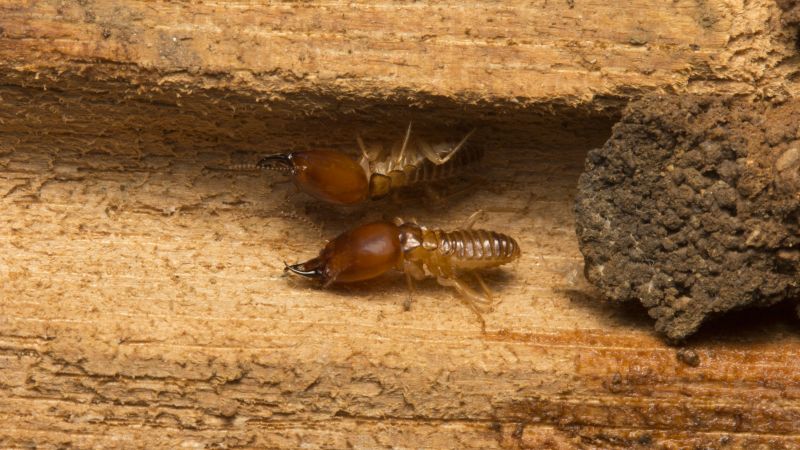
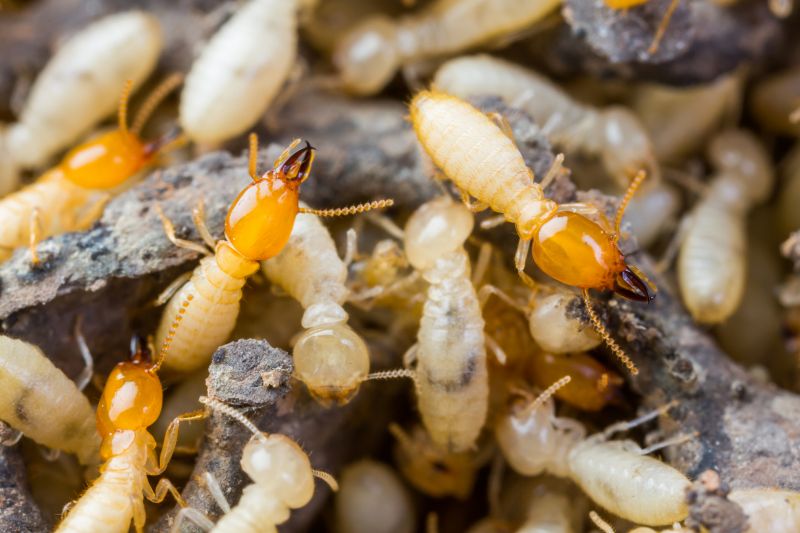
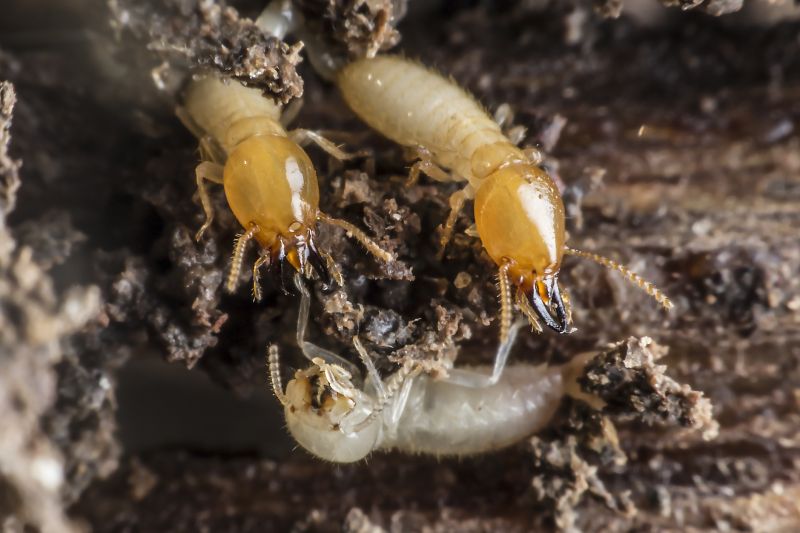
When people search for information about how termites cause structural damage to homes, they are often concerned about the safety and integrity of their property. This topic typically relates to homeowners who have noticed signs of termite activity or want to understand potential risks before problems develop. It’s common for homeowners to consider repair or prevention plans once they realize how destructive termites can be. Understanding the specific ways termites weaken a structure helps homeowners make informed decisions about when to seek professional help and how to prioritize treatment efforts.
The problems associated with termite damage often involve the weakening of critical structural components such as floor joists, wall studs, beams, and support pillars. Termites feed on cellulose materials found in wood, which can lead to hollowed-out, fragile structures that compromise the stability of a home. This damage may not be immediately visible on the surface, making it necessary to look for signs like sagging floors, buckling walls, or discarded wings. Homeowners planning repairs or upgrades should be aware of how early detection and treatment by local contractors can prevent extensive damage and costly repairs down the line.
Certain types of properties are more prone to termite damage, especially those with wooden elements or those located in areas with high moisture levels. Single-family homes with wood siding, basements, or crawl spaces are particularly vulnerable, as these features provide easy access and a food source for termites. Older homes or properties with previous pest issues may also be at increased risk. When considering property investments or renovations, understanding the potential for termite damage helps homeowners evaluate the need for inspections and ongoing pest management. Local service providers can assist with assessments and treatment plans tailored to these property types.
Connecting with local termite control professionals is a key step in addressing how termites cause structural damage to homes. These experts can perform thorough inspections to identify signs of infestation and assess the extent of damage. They are equipped to recommend targeted treatments that eliminate termites and prevent future problems. For homeowners, working with experienced local contractors ensures that the structural integrity of their property is preserved and that any damage is properly repaired. Proper treatment and ongoing prevention measures are essential to protecting a home’s value and safety from the hidden threat of termite damage.
Foundation Repair - foundation repair projects involve assessing and fixing structural issues, which is similar to identifying and addressing termite-related damage to prevent further home deterioration.
Wood Rot Restoration - restoring wood that has been compromised by pests shares skills with termite damage repair, including carpentry and moisture management.
Structural Inspection Services - inspections for signs of damage and vulnerabilities are common to both termite damage assessments and broader structural evaluations.
Pest Damage Repair - repairing damage caused by various pests involves similar techniques and planning as addressing termite-induced structural issues.
Moisture Control Solutions - managing moisture levels helps prevent termite infestations and related damage, requiring similar planning and installation skills.
Home Framing Replacement - replacing or reinforcing home framing shares techniques used in repairing structural damage from termites, including framing and load-bearing assessments.
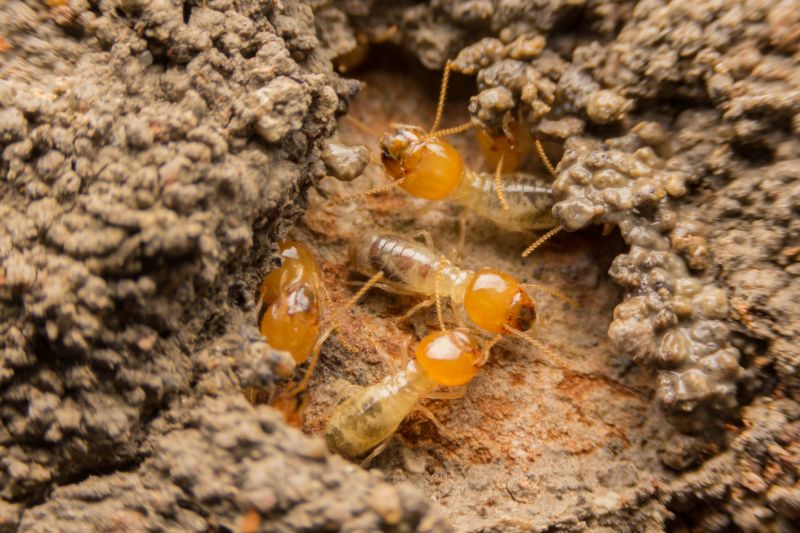
When comparing local contractors for termite control services, it is important to evaluate their experience with similar projects, particularly those involving the inspection and treatment of homes affected by termite damage. A contractor with a track record of successfully handling cases where termites have caused structural issues can provide insights into the most effective methods for identifying and addressing the damage. Asking about their previous work in homes with comparable conditions helps ensure they have the practical knowledge necessary to manage the complexity of termite-related problems and prevent further structural deterioration.
Clear written expectations are essential when selecting a service provider for termite control. Homeowners should seek detailed information about the scope of work, including inspection procedures, treatment options, and follow-up measures. This transparency helps establish a mutual understanding of what the project entails and prevents misunderstandings. Reputable contractors will be able to provide comprehensive descriptions of their processes and outline what homeowners can expect at each stage, fostering confidence in the service and facilitating smoother communication throughout the project.
Good communication and reputable references are key indicators of a reliable local contractor. Homeowners are encouraged to ask for references from previous clients who had similar concerns about termite damage and control. Speaking with past customers can reveal how effectively the contractor communicated throughout the process and whether they delivered results that met expectations. Consistent, clear communication ensures homeowners stay informed about the progress and findings, which is especially important when addressing the potential for ongoing structural issues caused by termites. Choosing a service provider known for professionalism and transparency can contribute to a more successful and stress-free experience in safeguarding the home’s structural integrity.
Property owners often search for how termites cause structural damage to homes when they are planning practical projects around their homes and businesses. Local pros provide Termite Control services for everyday jobs and straightforward project options.
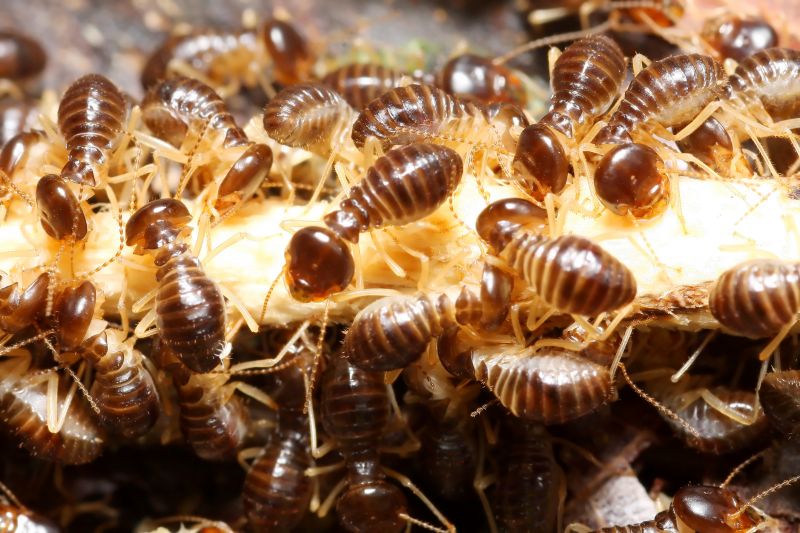
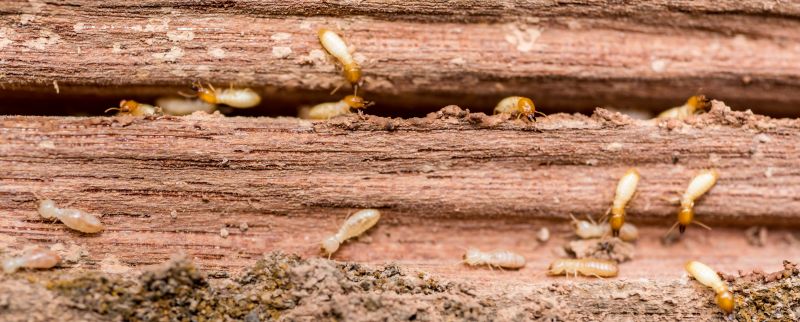
Understanding how termites cause structural damage to homes is a common concern for property owners in the area. These pests often go unnoticed until significant harm has occurred, as they tend to stay hidden within walls, floors, and foundations. Over time, their activity can weaken wooden structures, support beams, and even the home’s foundation, leading to costly repairs if left untreated. Many homeowners seek information about this topic after noticing signs like discarded wings, hollow-sounding wood, or unexplained cracks, prompting them to explore termite control options offered by local contractors.
Property owners often look into termite control services when they suspect an infestation or want to prevent potential damage. Local service providers can assess the home for signs of termite activity and recommend treatment plans to eliminate the pests and protect the structure. Since termites can cause extensive damage before visible signs appear, connecting with experienced local contractors can help ensure that any issues are addressed promptly and effectively. This proactive approach can help maintain the integrity of the home and avoid more serious, costly repairs down the line.
How do termites cause damage to home structures? Termites feed on cellulose found in wood and other building materials, creating tunnels and hollowing out structural components, which can weaken walls, floors, and foundations over time.
What parts of a home are most vulnerable to termite damage? Wooden framing, support beams, flooring, and the foundation are common areas where termites can cause significant structural harm if infestations are present.
How can local contractors identify termite-related structural issues? They typically perform thorough inspections to look for signs such as mud tubes, damaged wood, hollow sounds when tapped, and weakened structural elements that indicate termite activity.
Why is early detection important for preventing structural damage caused by termites? Identifying termite activity early helps prevent extensive damage, preserving the integrity of the home and reducing costly repairs in the future.
What methods do service providers use to control termites and protect structures? Local contractors may use chemical treatments, baiting systems, or physical barriers to eliminate termites and prevent further damage to the home's structure.
Inspecting for early signs of damage - property owners can learn to identify small holes or wood damage that indicates termite activity, prompting a professional assessment.
Scheduling regular termite inspections - arranging routine evaluations with local contractors helps catch infestations before they cause significant structural harm.
Addressing moisture issues around the home - reducing excess moisture near foundations can make the environment less attractive to termites, with guidance from local pros.
Implementing preventative treatments - applying barrier or soil treatment solutions recommended by local contractors can help protect the home from future termite damage.
If you are thinking about how termites cause structural damage to homes for a property, this guide is meant to help you understand this topic, the typical project types, and how different options might fit your plans.
When you are ready, you can use the quote form on this page to share a few details about your project. From there, local pros can review the basics and follow up with options that match what you have in mind.