Health and Property Risks Associated With Termite Activity
To prevent health and property risks associated with termite activity, local contractors can provide effective prevention and treatment services to protect your home and well-being.
Understanding the health and property risks associated with termite activity is essential for property owners in the area. Termites can silently cause extensive damage to structural elements, leading to costly repairs and potential safety hazards. Additionally, their presence may contribute to indoor air quality issues, which can impact the health of residents and occupants. Exploring prevention and treatment options helps safeguard both the integrity of the property and the well-being of those who live or work there.
For property owners concerned about these risks, connecting with experienced local contractors who specialize in termite activity prevention and treatment can provide practical solutions. These professionals can assess the specific conditions of a property, recommend effective strategies to reduce or eliminate termite infestations, and help prevent future issues. Keeping informed about how to protect a property from termite-related health and property risks is a proactive step toward maintaining a safe and stable environment.
- Termite Treatment - homeowners noticing signs of infestation seek treatment to prevent further damage and reduce health risks associated with termite activity.
- Property Inspection - property owners concerned about hidden termite activity look for inspections to identify potential health and property risks early.
- Preventive Barrier Installation - those wanting to protect their property from future termite threats often turn to local contractors for effective barrier solutions.
- Damage Repair and Restoration - after termite activity has caused structural issues, property owners seek repairs to address health hazards and property risks.
- Moisture Control Services - individuals experiencing excess moisture issues near their property contact pros to reduce conditions that attract termites and pose health risks.
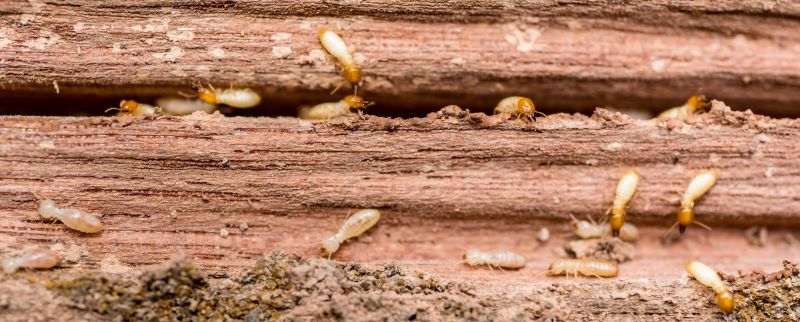

When homeowners search for information about health and property risks associated with termite activity, they are often concerned about the potential damage termites can cause to their homes and the health implications for their families. Termites are known for their ability to silently weaken structural elements, such as wood framing, flooring, and support beams, which can compromise the safety and stability of a property. Additionally, many people want to understand how termite activity might contribute to mold growth or attract other pests, which can further impact indoor air quality and overall health. Recognizing these risks helps homeowners prioritize inspections, prevention, and treatment efforts to protect their investments and well-being.
This topic is commonly linked to property maintenance plans, pest control strategies, and long-term home preservation projects. Homeowners may be planning to buy or sell a property and want to ensure it is free from termite damage, or they might be addressing existing issues that threaten the integrity of their home. In some cases, the focus is on preventing future infestations, especially in regions where termite activity is prevalent. The health risks also come into play when considering the potential for termite droppings or shed wings to trigger allergies or respiratory issues in sensitive individuals. Local service providers who specialize in termite prevention and treatment can help address these concerns through targeted inspections, treatments, and ongoing monitoring.
The types of properties most often affected by termite activity include single-family homes, especially those with wooden structures or foundations, as well as multi-unit residential buildings, commercial properties, and even historic structures with aged wood components. Properties built with untreated or poorly maintained wood are more vulnerable to infestation, and those located in areas with high moisture levels or abundant soil contact are at increased risk. Homes with visible wood damage, sagging floors, or hollow-sounding wood are common indicators of termite activity. Local contractors experienced in termite control can assess these properties, identify the extent of the problem, and recommend appropriate prevention or treatment measures to mitigate health and property risks.
Understanding the connection between termite activity and associated risks emphasizes the importance of professional intervention in safeguarding homes. Local pros who specialize in termite prevention and treatment play a crucial role in identifying early signs of infestation, implementing effective treatment plans, and advising on preventative measures. Their expertise helps homeowners avoid costly repairs and reduces health concerns related to pests and structural deterioration. Whether addressing existing damage or taking steps to prevent future issues, connecting with experienced service providers ensures that property owners can maintain a safe, stable, and healthy living environment.
Home Inspection Services - inspectors assess properties for signs of termite activity, helping identify health and property risks early and guiding treatment decisions.
Pest Control Treatments - pest control specialists implement targeted solutions to eliminate termites, reducing potential health hazards and property damage.
Moisture Management Projects - contractors address excess moisture issues that attract termites, which can contribute to structural risks and health concerns.
Foundation Repair Services - foundation specialists repair damage caused by termites, helping to prevent further property deterioration and safety hazards.
Wood Damage Restoration - restoration experts repair and replace compromised wood structures, mitigating health risks and maintaining property integrity.
Structural Pest Prevention - service providers develop preventative strategies to protect properties from termite-related health and property risks over time.
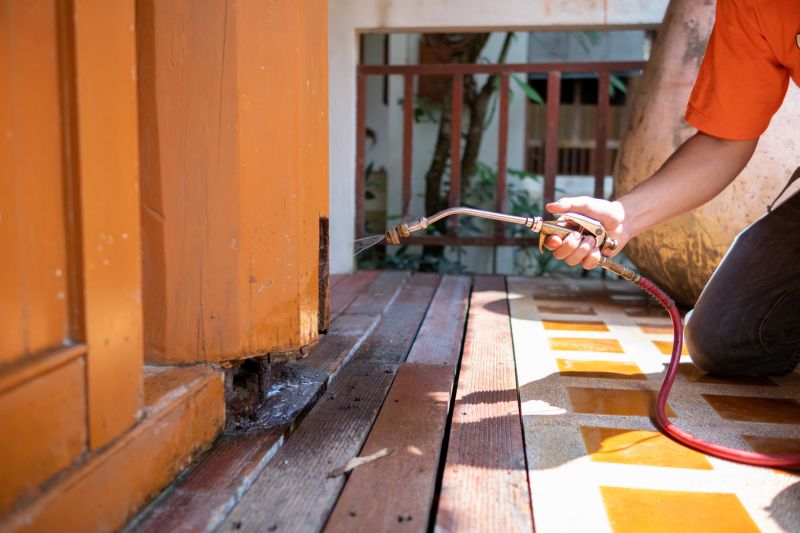
When evaluating service providers for termite activity prevention and treatment, it’s important to consider their experience with similar projects. Homeowners should seek out local contractors who have a proven track record in managing health and property risks associated with termite activity in environments comparable to their own. An experienced professional will better understand the specific challenges posed by termite infestations and be equipped to implement effective strategies to mitigate potential damage and health concerns.
Clear and detailed written expectations are essential when comparing local pros. Homeowners should look for providers who can offer comprehensive explanations of their treatment plans, including the methods they will use, what areas will be affected, and the anticipated outcomes. Transparent communication helps ensure that both parties have aligned understanding of the scope of work, which can prevent misunderstandings and ensure that the termite prevention or treatment services adequately address health and property risks.
Reputable references and good communication are key indicators of a reliable service provider. Local contractors with positive feedback from previous clients often demonstrate their ability to deliver consistent results and maintain professional standards. Additionally, accessible and responsive communication allows homeowners to ask questions, express concerns, and stay informed throughout the process. Choosing a service provider who values clear dialogue and has a history of satisfied clients can contribute to a more confident and successful approach to managing the health and property risks associated with termite activity.
Property owners often search for health and property risks associated with termite activity when they are planning practical projects around their homes and businesses. Local pros provide Termite Activity Prevention and Treatment services for everyday jobs and straightforward project options.
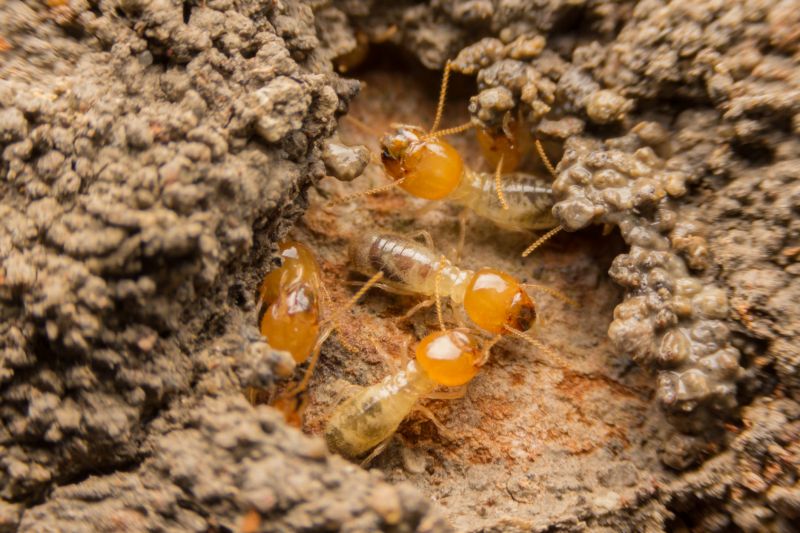
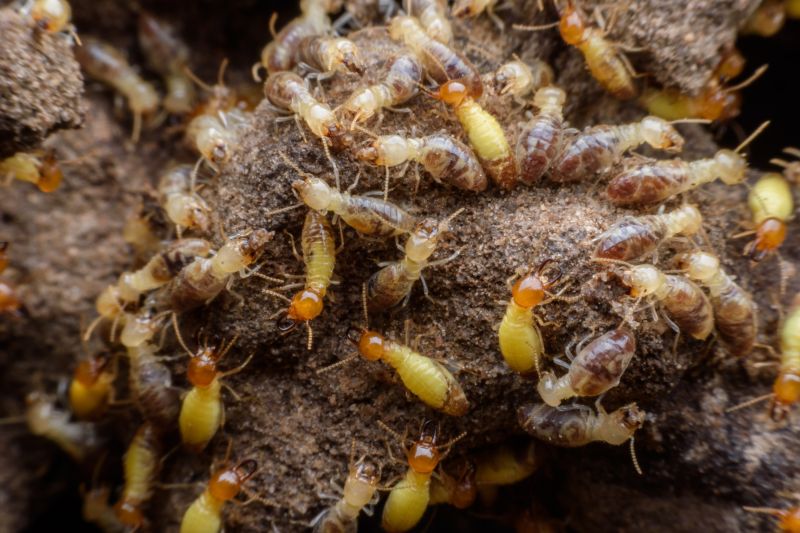
Understanding the health and property risks associated with termite activity is essential for homeowners planning repairs or renovations. Termites can silently cause extensive damage to wood structures, potentially compromising the safety and stability of a property. For those involved in projects like remodeling a basement or replacing damaged flooring, knowing about termite activity helps prevent unexpected costs and structural issues. Local contractors specializing in termite prevention and treatment can assess the risk areas and provide solutions to protect both the property’s integrity and the health of its occupants.
Homeowners and property managers often seek information about preventing termite-related damage to avoid costly repairs and health concerns. Termite infestations can lead to weakened wood, increasing the risk of structural failure over time. Additionally, the presence of termites may contribute to mold growth or other issues that impact indoor air quality. Engaging with experienced service providers who offer termite prevention and treatment services can help mitigate these risks, ensuring that properties remain safe and structurally sound throughout any renovation or maintenance projects.
What health risks are associated with termite activity? Termite activity can lead to mold growth and airborne allergens, which may cause respiratory issues and allergic reactions in some individuals.
How can termites damage property and affect safety? Termites can compromise the structural integrity of buildings, increasing the risk of collapse or injury due to weakened walls, floors, and support beams.
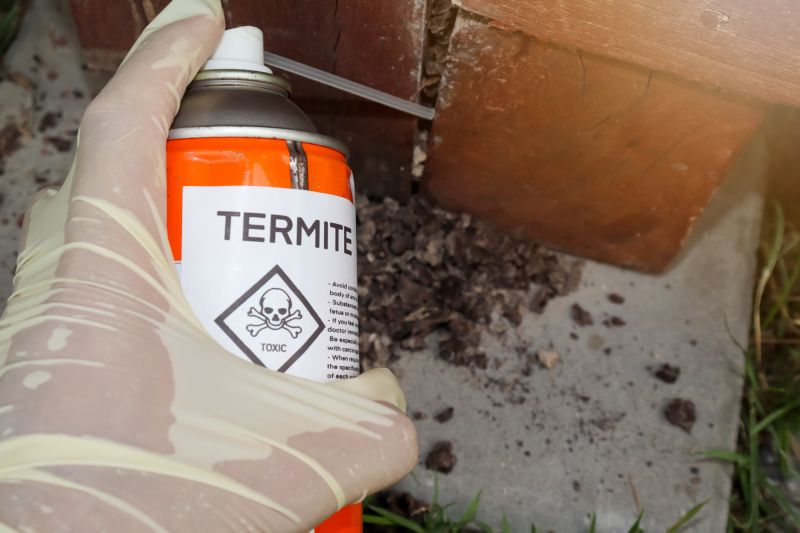
Are there health concerns related to termite treatment methods? Some chemical treatments used by local contractors may involve exposure to substances that require proper application to minimize health risks for residents.
What property risks should homeowners be aware of with termite infestations? Infestations can cause extensive damage to wood, insulation, and other structural components, leading to costly repairs and reduced property value.
How do prevention and treatment services help mitigate health and property risks? Local service providers can identify signs of infestation early, apply effective treatments, and recommend measures to prevent future activity, reducing health hazards and property damage.
Identify vulnerable areas - property owners can inspect and mark areas prone to termite activity to prioritize treatment and prevention efforts with local contractors.
Implement barrier treatments - applying chemical or physical barriers around the foundation can reduce the health and property risks associated with termite activity.
Schedule regular inspections - routine assessments by local pros help detect early signs of termite presence, minimizing potential damage and health concerns.
Maintain proper moisture levels - controlling soil and structural moisture around the property can deter termite infestations and lower associated risks.
If you are thinking about health and property risks associated with termite activity for a property, this guide is meant to help you understand this topic, the typical project types, and how different options might fit your plans.
When you are ready, you can use the quote form on this page to share a few details about your project. From there, local pros can review the basics and follow up with options that match what you have in mind.